

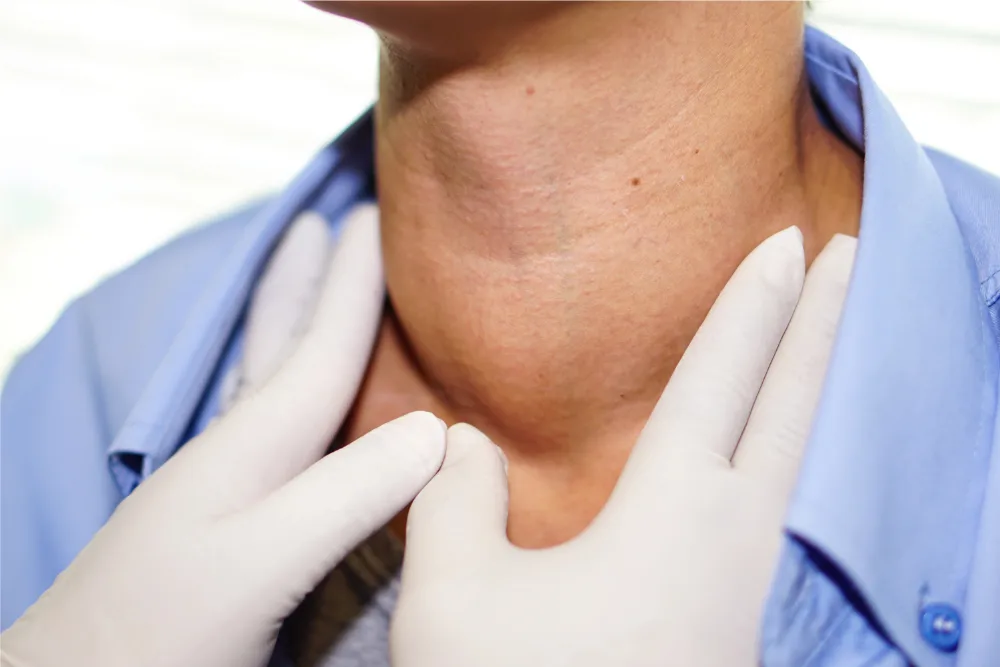
Laryngeal Disease and Neck Lumps in Dubai: 7 Essential Facts
Laryngeal Disease and Neck Lumps in Dubai can involve symptoms such as persistent hoarseness, throat discomfort, difficulty swallowing, or unexplained swelling in the neck. These symptoms have several possible causes, including inflammation, infection, vocal cord disorders, thyroid conditions, and other medical conditions that may require further investigation.
Understanding the cause of these symptoms is important for choosing appropriate care. An ENT specialist can assess the voice, throat, and neck, determine whether additional diagnostic tests are needed, and discuss suitable treatment options.
Dr. Fateh Alsalem, Consultant Otolaryngologist and Rhinoplasty Surgeon, provides ENT consultations at HMS Hospital in Mirdif, Dubai. Patients can discuss persistent symptoms and receive guidance based on their medical history and clinical assessment.
This guide explains common symptoms, possible causes, diagnostic procedures, treatment approaches, and when to seek medical advice.
What Is Laryngeal Disease?
The larynx, commonly known as the voice box, is located in the throat. It plays an important role in producing sound, allowing air to pass through the airway, and protecting the airway during swallowing.
Laryngeal disease refers to conditions affecting the larynx, vocal cords, or surrounding structures. Depending on the underlying condition, symptoms may include changes in voice quality, persistent throat irritation, swallowing difficulties, or breathing-related problems.
Common symptoms include:
- Persistent hoarseness or unexplained voice changes
- A weak, rough, or strained voice
- Ongoing throat discomfort or irritation
- Pain or difficulty when swallowing
- A sensation of something stuck in the throat
- Recurrent coughing or frequent throat clearing
- Voice fatigue after speaking
- Noisy breathing or shortness of breath
Some symptoms improve as temporary infections resolve. Persistent, unexplained, or worsening symptoms should be assessed by a healthcare professional.
What Causes Laryngeal Disease and Neck Lumps in Dubai?
The causes of laryngeal disease and neck lumps in Dubai vary between patients. A neck lump may be related to an infection, an enlarged lymph node, a thyroid condition, a cyst, or another growth. Laryngeal symptoms may have separate or related causes.
A medical history and appropriate physical examination help determine which conditions should be considered.
Inflammation and Infection
Viral infections and inflammation can temporarily affect the throat and voice. Symptoms may include hoarseness, coughing, throat irritation, and discomfort when speaking or swallowing.
If symptoms persist longer than expected, repeatedly return, or become more severe, further medical assessment may be appropriate.
Vocal Cord Disorders
The vocal cords vibrate to produce sound. Changes affecting their structure, movement, or function can cause hoarseness, reduced voice strength, and difficulty speaking comfortably.
An ENT specialist may recommend examining the larynx when voice changes remain unexplained or do not improve as expected.
Acid Reflux and Throat Irritation
Acid reflux can contribute to throat irritation and voice symptoms in some patients. However, reflux is not responsible for every case of persistent hoarseness.
A clinical assessment can help determine whether reflux or another condition may be contributing to the symptoms and whether further examination is appropriate.
Enlarged Lymph Nodes
Lymph nodes may enlarge during or after infections involving the throat, ears, or respiratory tract. Some enlarged lymph nodes gradually return to their usual size.
A neck lump that persists, grows, or has no clear explanation should be evaluated rather than assumed to be harmless.
Thyroid and Salivary Gland Conditions
Thyroid nodules, thyroid enlargement, and salivary gland conditions can sometimes appear as lumps or swelling in the neck.
The location of the lump, associated symptoms, examination findings, and medical history help determine which investigations may be appropriate.
Cysts and Other Neck Growths
Some neck lumps are caused by cysts, skin conditions, or other soft-tissue changes. Other lumps may require more detailed investigation to establish their nature.
Because different conditions can produce similar symptoms, examination is important. The appearance of a lump alone cannot reliably determine its cause.
Symptoms of Laryngeal Disease and Neck Lumps in Dubai
Recognising symptoms associated with laryngeal disease and neck lumps in Dubai can help patients understand when professional assessment may be needed.
Depending on the underlying cause, symptoms may include:
- A persistent or unexplained lump in the neck
- Hoarseness or a voice change that does not improve
- Difficulty or pain when swallowing
- Persistent throat pain or irritation
- Ear pain without an obvious ear-related cause
- Unexplained weight loss
- Persistent coughing or coughing up blood
- Breathing difficulties or unusual breathing sounds
These symptoms do not automatically indicate a serious condition. However, persistent or unexplained symptoms may require further investigation.
Seek emergency medical assistance if you experience severe or sudden difficulty breathing.
For additional information, read the NHS guide to symptoms of laryngeal cancer.
When Should You See an ENT Specialist?
You should consider arranging a medical consultation if you have a neck lump that persists or grows, unexplained voice changes, ongoing swallowing difficulties, or throat symptoms that do not improve as expected.
Persistent hoarseness lasting around three weeks or longer warrants medical assessment, particularly when accompanied by a neck lump or other concerning symptoms. Seek advice sooner if symptoms worsen or are associated with breathing or swallowing difficulties.
For people concerned about laryngeal disease and neck lumps in Dubai, an ENT consultation can help establish whether the symptoms need examination, monitoring, or additional testing.
An assessment may also help distinguish between conditions that can be managed conservatively and those that require further investigation.
How Are Laryngeal Disease and Neck Lumps in Dubai Diagnosed?
The assessment of laryngeal disease and neck lumps in Dubai begins with a review of symptoms, relevant medical history, and a physical examination. Additional investigations depend on the suspected cause and the findings of the initial assessment.
1. Medical History and Physical Examination
The consultation may include questions about when symptoms started, how long they have continued, and whether they have changed over time.
The doctor may ask about previous infections, medication use, smoking history, voice strain, swallowing difficulties, and associated symptoms.
Depending on the patient’s concerns, the ENT specialist may examine the throat, ears, nose, voice, and neck. A neck lump may be assessed for its location, size, consistency, and other physical characteristics.
2. Laryngeal Examination
When clinically appropriate, an ENT specialist may recommend flexible laryngoscopy or another suitable examination of the larynx.
This examination uses a small viewing instrument to inspect the vocal cords and surrounding structures. It may help investigate persistent hoarseness, unexplained voice changes, and other symptoms involving the voice box.
The need for this procedure depends on the patient’s symptoms and the initial clinical assessment.
3. Imaging and Diagnostic Tests
Some neck lumps require additional investigation. Depending on the suspected cause, tests may include:
- Ultrasound examination
- CT scanning
- MRI scanning
- Blood tests
- Other investigations recommended by the treating clinician
Not every patient needs every test. The appropriate investigation depends on the clinical findings and the condition being considered.
4. Needle Sampling or Biopsy
In selected cases, a clinician may recommend obtaining a cell or tissue sample from a neck lump or an abnormal area. Laboratory examination of the sample may help establish the diagnosis.
The purpose of the procedure, its potential benefits, possible risks, and any subsequent steps should be discussed with the patient before proceeding.
For further patient information, consult the NHS guide to laryngeal cancer tests and next steps.
Treatment Options for Laryngeal Disease
Treatment depends on the underlying diagnosis, symptom severity, and individual clinical circumstances. There is no single treatment suitable for every laryngeal condition.
Depending on the findings, management may involve:
- Observation and follow-up when appropriate
- Medication for a diagnosed infection or inflammatory condition
- Reflux management when clinically indicated
- Voice care or voice therapy for suitable conditions
- Further diagnostic investigations
- Surgery when medically necessary
The aim is to address the underlying cause and develop an appropriate treatment plan for the individual patient.
Patients should not start, stop, or change prescribed medication without appropriate medical advice.
How Are Neck Lumps Evaluated and Treated?
The evaluation of a neck lump depends on its location, duration, size, associated symptoms, and other clinical findings.
Not every neck lump requires surgery. Depending on the assessment, management may include observation, treatment of an underlying condition, imaging, or tissue sampling.
If a procedure is recommended, the clinician should explain its purpose, potential risks, expected benefits, and available alternatives.
A structured diagnostic approach helps avoid unnecessary interventions while ensuring that persistent or concerning findings receive appropriate attention.
Patients who have a neck lump alongside persistent hoarseness, swallowing difficulties, or unexplained weight loss should seek medical advice promptly.
Why Seek an ENT Assessment in Dubai?
The ears, nose, throat, larynx, and neck contain interconnected structures. Symptoms affecting the voice, swallowing, throat, or neck may overlap between different conditions, making a thorough assessment important.
Dr. Fateh Alsalem, Consultant Otolaryngologist and Rhinoplasty Surgeon, provides ENT consultations at HMS Hospital in Mirdif, Dubai. Assessment and recommendations are based on each patient’s symptoms, medical history, and clinical findings.
Patients seeking assessment for laryngeal disease and neck lumps in Dubai can discuss their concerns and learn whether further examinations or investigations may be appropriate.
Explore the ENT services available in Dubai to learn more about specialist assessment and care.
Frequently Asked Questions
When should I see an ENT specialist for hoarseness?
Persistent or unexplained hoarseness should be medically assessed, particularly if it continues for around three weeks or occurs alongside a neck lump, difficulty swallowing, persistent throat pain, or breathing symptoms. Seek earlier assessment if symptoms worsen or are concerning.
Are all neck lumps serious?
No. Neck lumps can have several causes, including enlarged lymph nodes associated with infections and benign thyroid, salivary gland, skin, or soft-tissue conditions. However, a persistent, growing, or unexplained lump should be evaluated by a healthcare professional.
How is a neck lump diagnosed?
Assessment usually begins with a medical history and physical examination. Depending on the findings, the clinician may recommend ultrasound, other imaging, blood tests, needle sampling, or another diagnostic procedure.
Does every laryngeal condition require surgery?
No. Some conditions can be managed with observation, medication, or voice-related care. Surgery may be considered for selected conditions when clinically indicated.
Can acid reflux cause voice changes?
Acid reflux can contribute to throat irritation and voice symptoms in some patients. However, persistent hoarseness can have several causes and should not automatically be attributed to reflux without appropriate assessment.
What should I do if I have both a neck lump and hoarseness?
Arrange a medical assessment promptly, particularly if either symptom is persistent, unexplained, or worsening. A healthcare professional can determine whether additional investigations are needed.
Where can I book an ENT consultation in Dubai?
Dr. Fateh Alsalem provides ENT consultations at HMS Hospital in Mirdif, Dubai. Visit the contact and booking page to enquire about an appointment.
Book an ENT Consultation in Dubai
Persistent voice changes, throat discomfort, swallowing difficulties, or an unexplained neck lump deserve appropriate medical attention. A specialist assessment can help identify possible causes and determine whether further investigation or treatment is necessary.
If you are concerned about laryngeal disease and neck lumps in Dubai, Dr. Fateh Alsalem at HMS Hospital in Mirdif can assess your concerns and discuss appropriate next steps.
Arrange an ENT consultation to discuss your symptoms and available assessment options.
Contact Dr. Fateh Alsalem and enquire about an appointment.
Medical Disclaimer: This article is for general educational purposes only and does not replace professional medical advice, diagnosis, or treatment. Investigations and treatment options vary according to individual circumstances. Consult a qualified healthcare professional about persistent or concerning symptoms. Severe or sudden breathing difficulty requires emergency medical assistance.