
Persistent breathing problems
Nasal obstruction after the original surgery, possibly involving the septum, nasal valves, turbinates or structural support.
HMS Hospital, Mirdif, Dubai, UAE
+971 50 295 3644
info@drfatehrhinoent.ae
Specialised surgery for patients who have had a previous rhinoplasty but still have cosmetic or breathing concerns, planned around your current anatomy by a Consultant ENT & Rhinoplasty Surgeon.
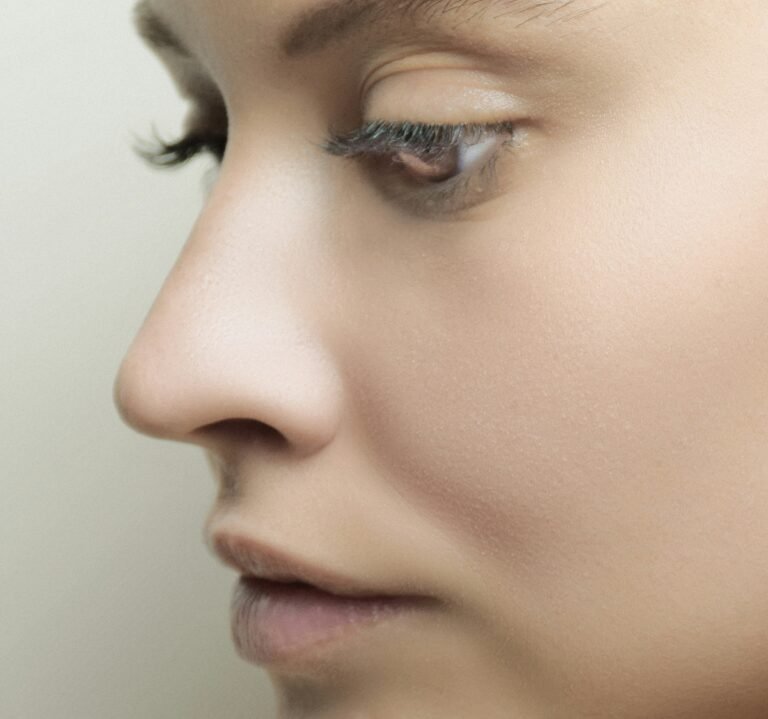

Revision rhinoplasty, also called secondary rhinoplasty, is surgery performed after a previous rhinoplasty. Patients consider it when they remain concerned about the appearance or function of their nose after an earlier operation.
The right treatment depends on your individual anatomy and the reason for revision.
Previous surgery can change the nose significantly. Cartilage may have been removed, reshaped, weakened or repositioned, and scar tissue can develop during healing.
The available structure is therefore often different from that of a first-time patient. Careful evaluation shows what can realistically be addressed, and the plan is based on your anatomy rather than a standard surgical template.
Some patients are mainly concerned about appearance, others have breathing difficulties after their first surgery, and many have both.
Nasal obstruction after the original surgery, possibly involving the septum, nasal valves, turbinates or structural support.
The nose appears uneven after healing. The degree and cause are assessed before deciding whether surgery is appropriate.
Over-narrowing, asymmetry, weak support, or a tip that does not meet the patient's expectations.
Irregularities, contour changes or other concerns involving the nasal bridge after previous surgery.
A detailed consultation is especially important for revision rhinoplasty.
Your previous operation, current concerns, medical history and expectations.
Current structure, remaining cartilage, scar tissue and breathing function.
Possible approaches, including what may and may not be achievable for you.
Expected recovery, potential risks and limitations are discussed openly.
In selected patients, revision rhinoplasty may address structural problems contributing to nasal obstruction.
Breathing difficulties can have different causes, so a careful examination is needed to confirm whether the problem is related to the nasal structure and whether revision surgery is appropriate.
Yes. Revision rhinoplasty can address selected aesthetic concerns after previous surgery.
What is possible depends heavily on the existing anatomy. Because the nose has already been operated on, there may be limits to how much further reshaping can be done safely.
Recovery varies with the complexity of the procedure and the individual patient. Following your postoperative instructions and attending scheduled follow-up appointments are an important part of healing.
Swelling, bruising, congestion and some discomfort can occur.
Follow postoperative instructions carefully and attend every follow-up visit.
The nose continues to heal and swelling decreases gradually over time.
Judged only once healing has progressed, not immediately after surgery.
A revision procedure should only be considered after your concerns, anatomy, expectations, potential benefits and limitations have been carefully evaluated.
In some situations, observation or non-surgical management may be more appropriate than another operation. A consultation lets these options be discussed for your individual circumstances.
Consider qualifications, experience with rhinoplasty and revision procedures, understanding of nasal function, and how clearly the surgeon explains what is achievable in your case.
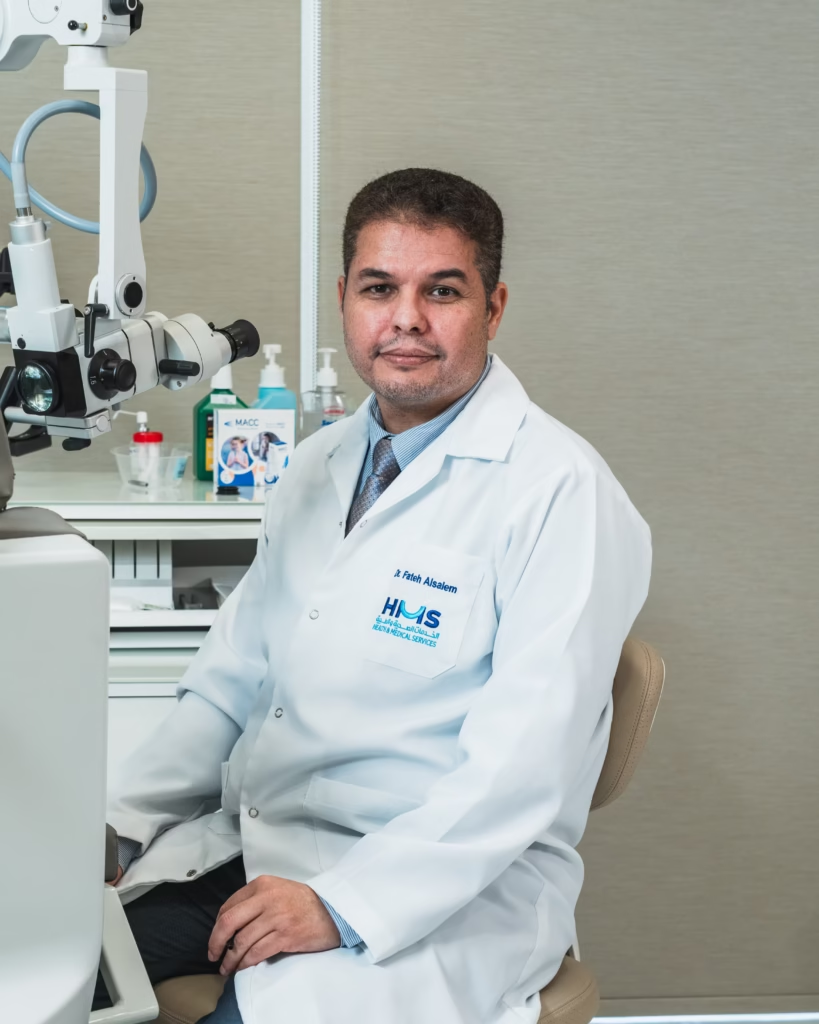
More than 19 years of clinical and surgical experience across the Middle East, providing primary, revision and functional rhinoplasty with a focus on natural-looking results and healthy nasal function.
The right timing depends on the individual patient and how the nose has healed after the original surgery. A specialist assessment can help determine whether enough healing has taken place.
It can be more complex because previous surgery may have changed the nasal structure and created scar tissue. The complexity varies from patient to patient.
It may help selected patients when structural problems are contributing to nasal obstruction. The cause of the breathing problem should be assessed first.
Perfect symmetry cannot always be achieved. The expected outcome depends on your anatomy, previous surgery, healing and other individual factors.
Some revision procedures need additional structural support, while others do not. This depends on your existing anatomy and the planned procedure.
Recovery varies with the extent and complexity of surgery. Swelling continues to improve gradually after the initial recovery period.
If you have concerns about the appearance or function of your nose after a previous rhinoplasty, a detailed specialist assessment can help clarify your options.
Medical disclaimer: This page provides general educational information and is not a substitute for an individual medical assessment or diagnosis. Treatment suitability, expected results, risks and recovery vary between patients and should be discussed with a qualified specialist.